Banking Services in 2026: Choosing an Account That Works Harder

Banks are not short of features. They are short of clarity. A monthly fee can hide free transfers, a high savings rate can expire after three months, and a no-fee account can charge more at the ATM than a premium one. We compared twelve accounts on the costs a normal household actually pays.
The Four Costs That Matter
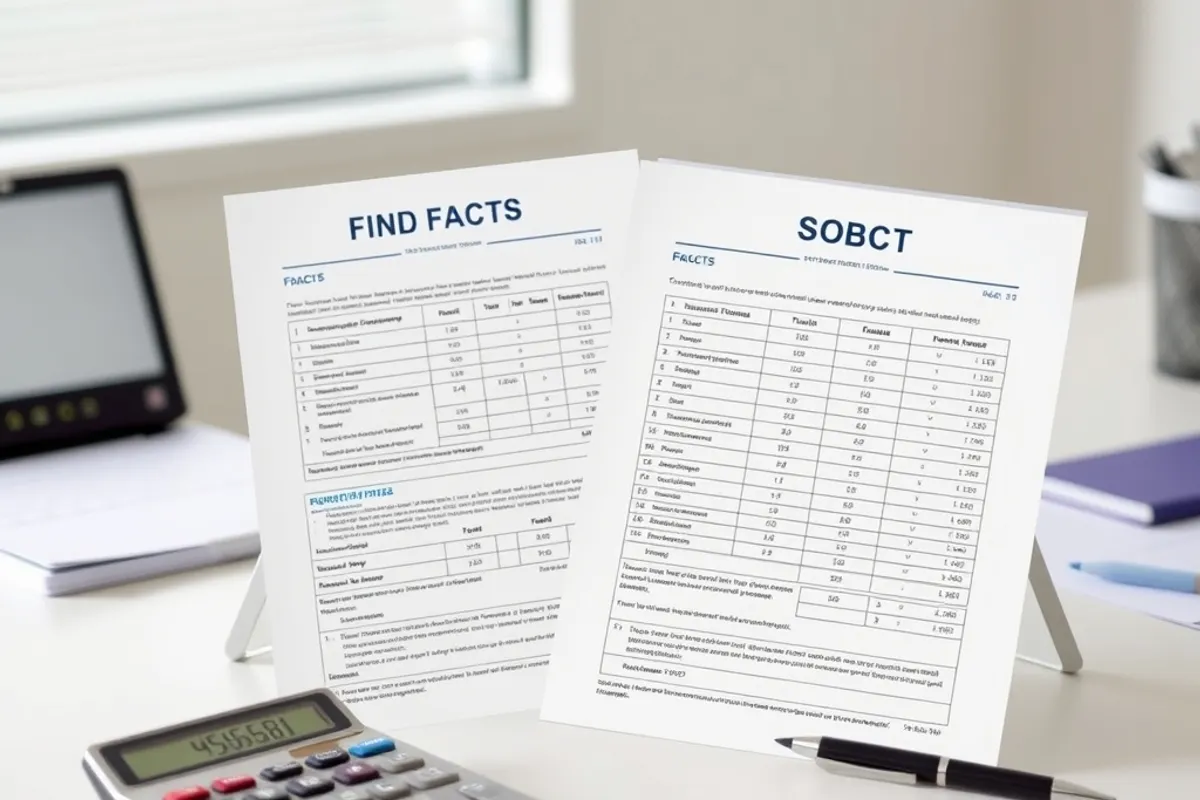
Most account comparisons focus on the headline monthly fee. The real cost is the sum of four things: the account fee, ATM fees, foreign transaction costs and the interest you give up by keeping cash in a low-rate account. A no-fee account with poor savings rates can cost more than one that charges $8 a month.
Build a simple annual estimate. Add twelve monthly fees, estimate cash withdrawals and card use abroad, and subtract the interest you expect at current rates. That total is the number to compare. Promotional cashback should be counted separately because it often comes with conditions that are easy to miss.
Current Accounts vs. Savings Accounts
A current account is for transactions: salary, bills, cards and transfers. A savings account is for money you do not need this month. Using one account for both makes it harder to see what is actually available, and it exposes your buffer to everyday spending. Separate the two even if they sit at the same bank.

Watch the savings rate mechanics. Some accounts pay a high rate only on a limited balance, require a monthly deposit, or exclude withdrawals. Others advertise a rate that drops after an introductory period. Check the rate you will earn in month four, not just month one.
Digital Banks: Convenience Has a Price
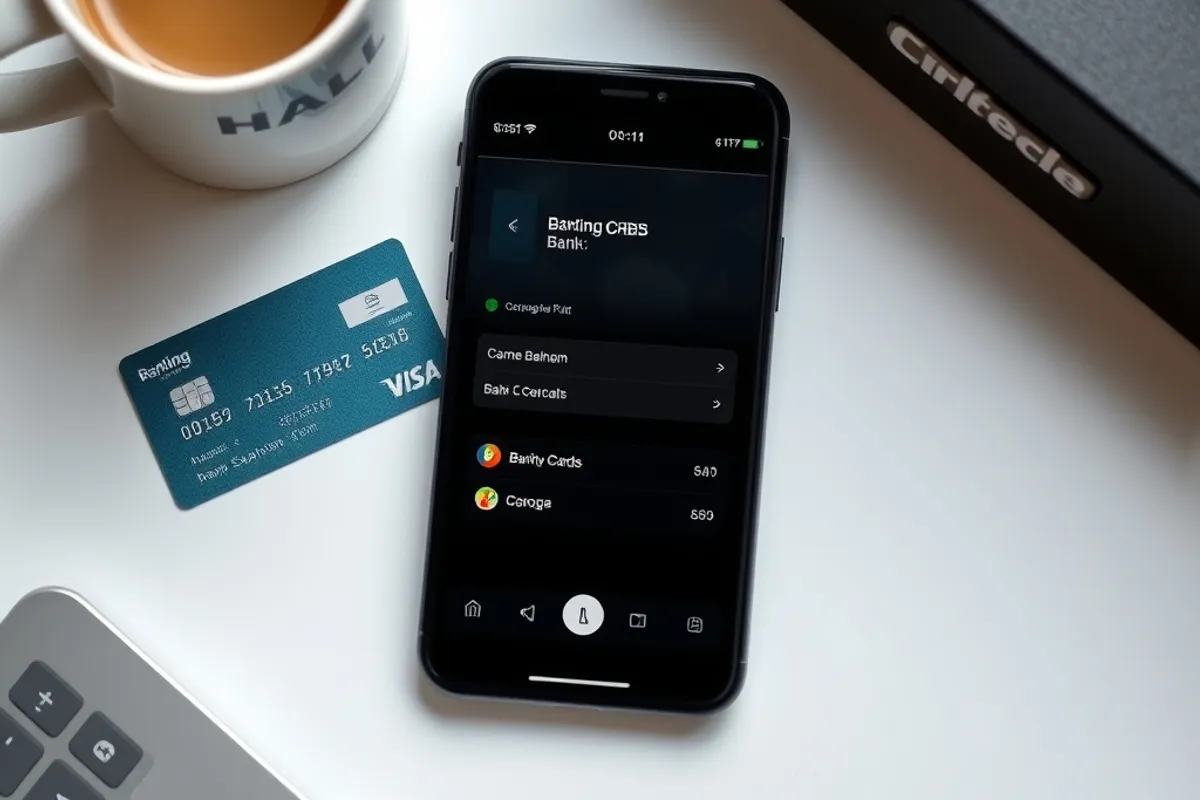
Digital banks often win on app design, instant notifications and low fees. They can lose on cash deposits, complex transactions and human support. If you run a small business, need certified statements or regularly deposit cash, a branch-based account may still be the practical choice.

A good banking app saves minutes a week. A bad support line costs hours when something goes wrong.
Check how you reach a person when a payment is stuck. Look for a phone number, a secure message channel and a published complaint process. Test the app before moving your salary. Convenience is real, but access to help during a failed transfer matters more than a clean interface.
ATM, Transfer and Card Fine Print
ATM fees are the most avoidable cost in banking. Check the network size, the fee per withdrawal and the foreign fee. A account with five free withdrawals a month is fine for most people; one with none can cost $5 to $8 per trip. If you travel, a card with no foreign transaction fee can save 1 to 3 percent on every purchase.
Transfer limits matter for renters and freelancers. Some accounts cap daily transfers low enough to break a rent payment or a supplier invoice. Check the limit for app transfers, scheduled payments and international wires. Also confirm how long a transfer takes on weekends and public holidays.
Overdraft and Minimum Balance Rules
An overdraft is a short-term loan with an interest rate that is rarely advertised clearly. Some banks charge a fixed fee per item, others charge a daily rate, and some allow a small buffer before charging anything. Read the fee schedule and set a low-balance alert instead of relying on goodwill.
Minimum balance rules can quietly turn a free account into a paid one. If the balance falls below the threshold, a monthly fee may apply. For people with variable income, a no-minimum account is often worth a lower savings rate because it removes a recurring penalty.
A Five-Step Switch Check
Before opening an account, list your monthly direct debits, salary deposits and regular transfers. Confirm the new account accepts all of them. Check the switch timeline, keep the old account open for one full cycle, and redirect payments in this order: salary, rent or mortgage, utilities, then subscriptions.
After the switch, download two statements and compare them with the old account. Look for missed payments, duplicate fees and pending transfers. Close the old account only when everything has cleared. A careful two-month transition beats a same-day switch that leaves a bill unpaid.
- Compare the annual total of account fees, ATM fees, foreign fees and lost interest.
- Some savings bonuses apply only to a limited balance or require a monthly deposit.
- A no-fee account can cost more than a paid one if ATM withdrawals are frequent.
- Check daily transfer limits before relying on an account for rent or supplier payments.
- Keep the old account open for one full billing cycle after switching.