Building an Emergency Fund in 2026: How Much, Where and When

An emergency fund is not a savings goal. It is insurance against having to borrow at the worst possible moment. The right size depends on how stable your income is, how quickly you could replace it and what a real emergency costs in your area. We built a simple method that works for employees, freelancers and households with two incomes.
Start With Essential Spending, Not Income
Add up the costs you cannot pause: housing, food, utilities, insurance, transport, minimum debt payments and childcare. Leave out holidays, dining out and subscriptions. That total is your monthly survival number. If it is $3,200, a three-month buffer is $9,600, not whatever a generic calculator says.
Use bank statements from the last three months, not your memory. Add annual costs such as insurance or car registration divided by twelve. If your income is variable, use the lowest normal month rather than the average. A buffer built on an optimistic month will not survive a pessimistic one.
Choose the Number of Months You Actually Need
Three months is a minimum for a stable salaried household with a second income and good health cover. Six months is a safer default for a single income or a competitive job market. Nine to twelve months makes sense for freelancers, commission earners, business owners and households supporting dependants on one income.
Then adjust for risk. A specialised role that takes six months to replace needs a larger buffer than a role with steady demand. A mortgage with a fixed rate is less urgent than a variable rate that could reset. The number is not a competition; it is a judgement about how long you could go without new income.
Where to Keep the Money
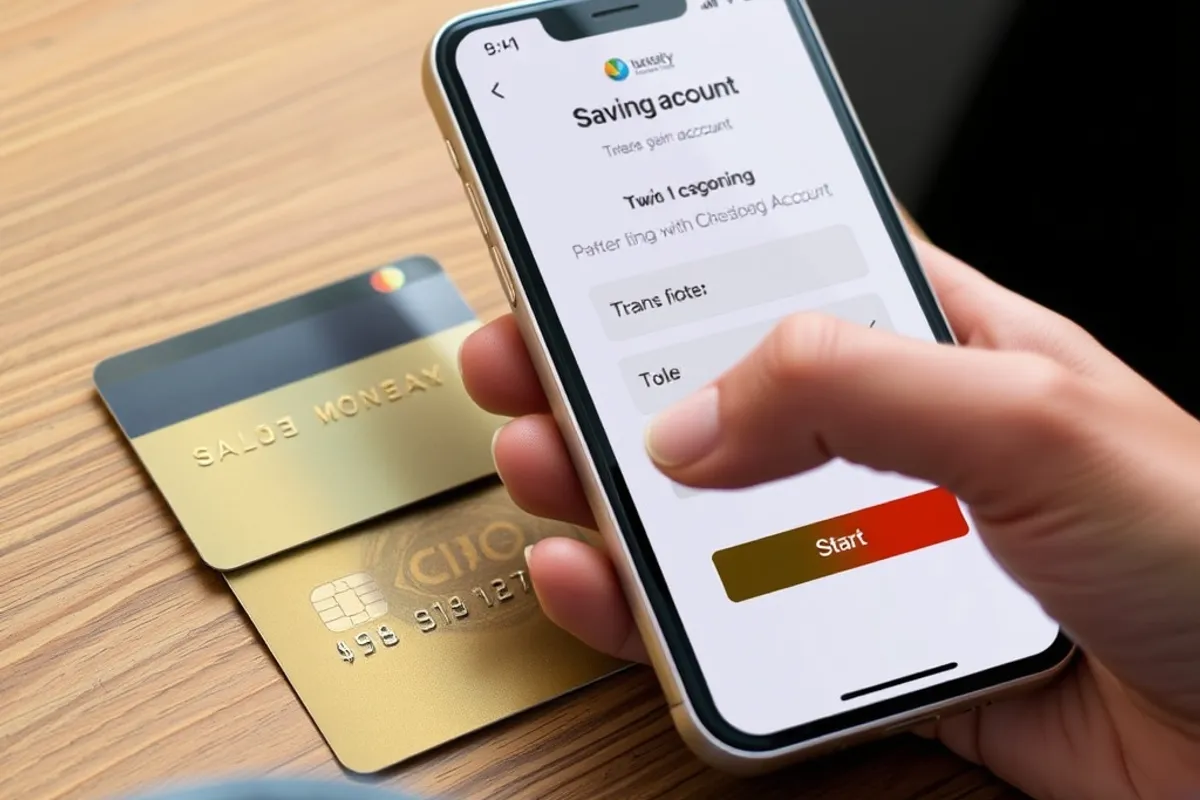
Use a high-yield savings account or a money market account with instant access and deposit insurance. A separate account at a different bank adds friction and makes accidental spending less likely. Check the withdrawal limit, the transfer time and whether the rate is introductory or ongoing.

An emergency fund should be boring, liquid and separate from the account you spend every day.
Do not put the buffer in equities, long-term bonds or a locked deposit unless you have a second liquid layer. The point is not to maximise return; it is to avoid selling an investment at a loss when the car breaks down. If the rate is below inflation, accept the small cost as an insurance premium.
Build It in Stages
A first target of $1,000 stops most small emergencies from becoming credit card debt. Then aim for one month of essential costs, then three, then six. Automate a transfer on payday and increase it after a raise or a bonus. If saving feels impossible, start with a percentage rather than a fixed amount.

Use windfalls strategically: tax refunds, bonuses and gifts can accelerate the buffer without changing monthly spending. Keep a separate small sinking fund for predictable costs such as car repairs and holidays, so the emergency fund is reserved for genuine surprises. Otherwise every annual expense becomes an emergency.
When to Use It, and When Not To
Use the fund for job loss, a medical bill, a necessary home or car repair, or a family emergency. Do not use it for a sale, a holiday or an investment opportunity. If you do use it, write the reason and set a repayment plan. Rebuild it before resuming discretionary saving or investing.
If the emergency is large, use the fund in combination with other resources: payment plans, insurance, employer support or a low-rate loan. The goal is to avoid high-interest debt, not to preserve the account at any cost. A buffer that is never used is a good sign, not a wasted asset.
Review Twice a Year
Check the balance against your survival number every six months, or after a major change in rent, income, dependants or health cover. Confirm the account is still accessible and the rate has not collapsed. Update the beneficiary and the emergency contact if needed.
Tell one trusted person where the fund is and what it is for. In a real emergency, clarity matters as much as cash. The fund is not exciting, and that is the point. It buys you time to make a good decision instead of accepting the first expensive one.
- Size the fund on essential monthly spending, not on total income.
- Three months is a minimum; six to twelve months suits variable or single income.
- Keep the fund in an instant-access, insured cash account separate from daily spending.
- Build in stages: $1,000, then one month, three months and six months of costs.
- Replenish the fund before resuming discretionary saving or investing.