Insurance Claims: A Step-by-Step Guide to Getting Paid on the First Try
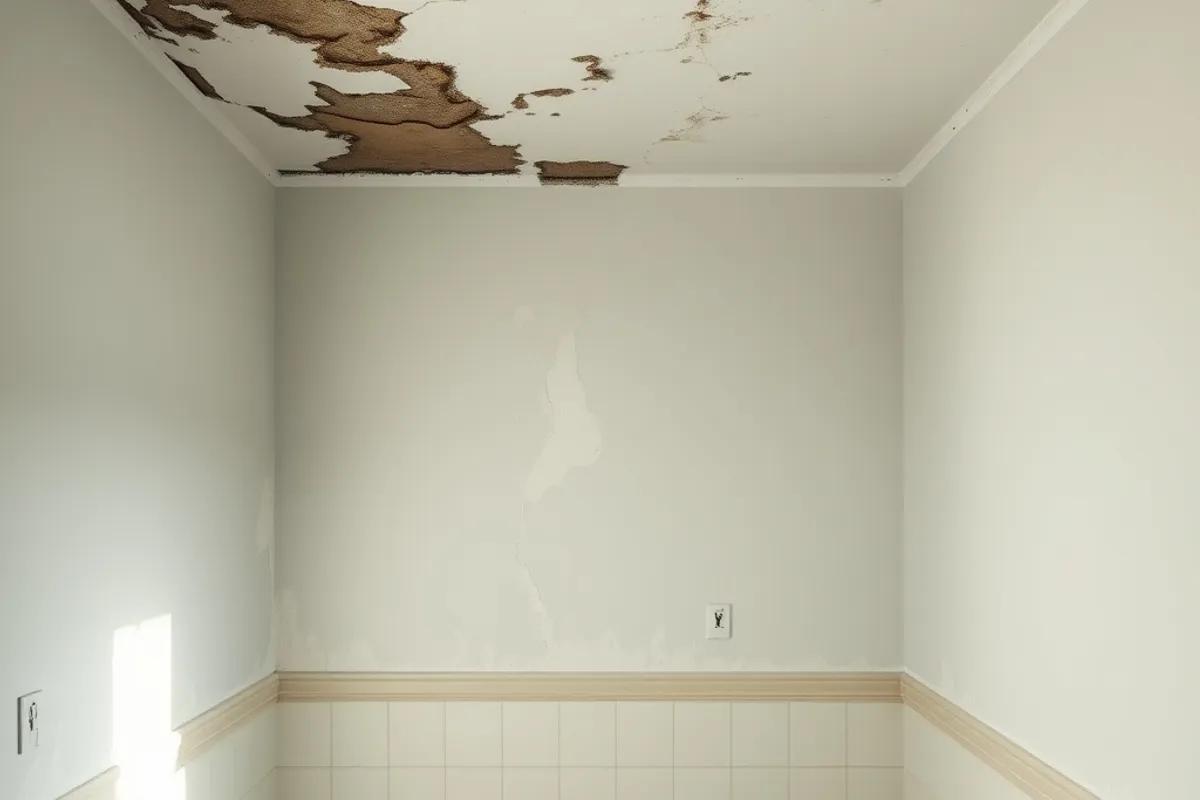
Most claims are not denied because the loss is not covered. They are delayed because the file is incomplete. A photo taken before the repair, a receipt kept in a drawer and a call made within the deadline can be the difference between a payment and a dispute. This guide walks through the process in the order an adjuster sees it.
Before You File: Read the Policy and the Deadline
Find the policy schedule, the insuring clause, the exclusions and the claims notification section. Confirm what is covered, the deductible, the limit and the deadline for reporting. A home policy may require notice within 14 days; a commercial policy may require immediate notice. Missing the deadline can give the insurer a valid reason to decline.

Do not repair or discard damaged property before documenting it, unless it is unsafe or the insurer instructs you to. Take wide photos of the room or vehicle, then close-ups of the damage, then photos of the serial numbers or labels. Keep damaged items until the adjuster says they can go.
Build an Evidence File
Create a folder with four sections: proof of loss, proof of ownership, proof of value and communication. Proof of loss includes the incident date, cause and a description. Proof of ownership includes receipts, bank statements, warranty cards or photos. Proof of value includes quotes, invoices or replacement prices.
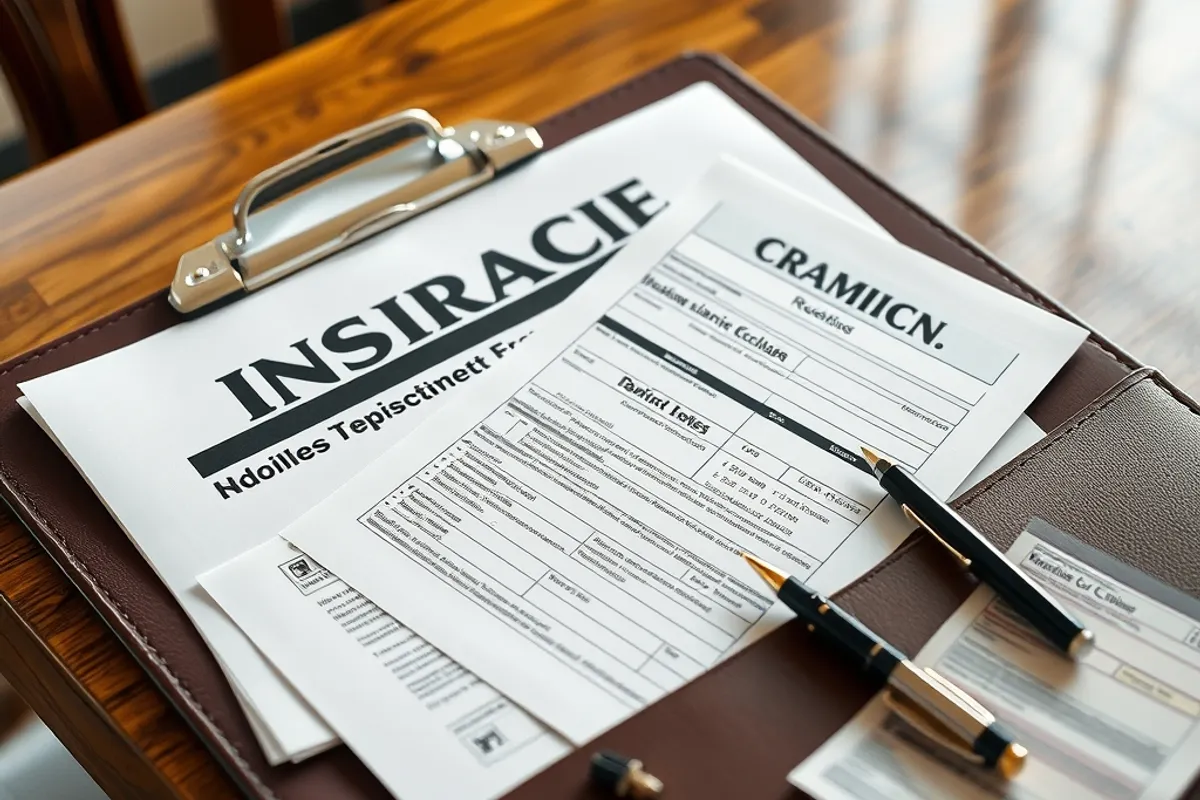
Write a timeline with dates and names. Record every call with the insurer, the reference number and what was promised. Send documents by a method that provides a receipt, and keep a copy. If you use an online portal, download the confirmation. A well-organised file makes the adjuster's job easier and your claim harder to lose.
Report the Claim Correctly
Call the claims line or use the official portal, then follow up in writing. State what happened, when, where and what was damaged. Do not speculate about a cause if you are unsure; say what you observed. If emergency repairs are needed, tell the insurer before hiring a contractor and keep the invoices.

The first report sets the file. Describe the loss plainly, and do not guess at a cause you cannot prove.
Ask three questions: What is the claim reference? What documents do you need from me, and by when? Who is the assigned adjuster? Put the answers in an email to the insurer. This creates a record and reduces the chance of being asked for the same document twice.
The Adjuster Visit and the Estimate
Walk the adjuster through the damage in the same order as your photo file. Point out secondary damage that is easy to miss: water behind a wall, smoke residue in a closet, a cracked component under a panel. Ask whether the estimate includes labour, tax, disposal and matching materials.

Get an independent repair quote for large losses. The insurer's estimate may use a standard pricing database that does not reflect your local market. You can submit a competing quote with a line-by-line breakdown. Keep the tone factual; the goal is a complete scope, not an argument.
If the Insurer Asks for More
Respond within the deadline, even if you do not have every document yet. Send what you have with a note explaining what is coming and when. A partial response keeps the claim open; silence can be treated as a withdrawn claim. Ask for the request in writing if it was made by phone.
If the insurer asks for a recorded statement, you can ask for the questions in advance and request a copy. Answer only what is asked. You are not required to guess or to accept a cause you do not know. For a large or complex loss, consult a public adjuster or a lawyer before giving a detailed statement.
After the Payment
Check the settlement against the scope, the deductible and the policy limit. Confirm that the payment covers the repair, not just the visible damage. If the repair costs more than the estimate, submit the final invoice and the photos before the claim is closed. Ask how long the claim remains open for supplements.
Keep the file for at least three years, longer for property claims. Note the renewal date and update the insured value if rebuilding costs have risen. A claim is a one-time event; the policy is a long-term contract. Review both together so the next claim starts with the right coverage.
- Check the policy deadline before reporting; some policies require notice within 14 days.
- Photograph wide shots, close-ups and serial numbers before any repair.
- Record every call with the insurer, the reference number and what was promised.
- Submit a competing repair quote with a line-by-line breakdown for large losses.
- Respond to document requests in writing, even if the file is incomplete.