SBA vs. Bank vs. Online Lender: Which Small Business Loan Fits?

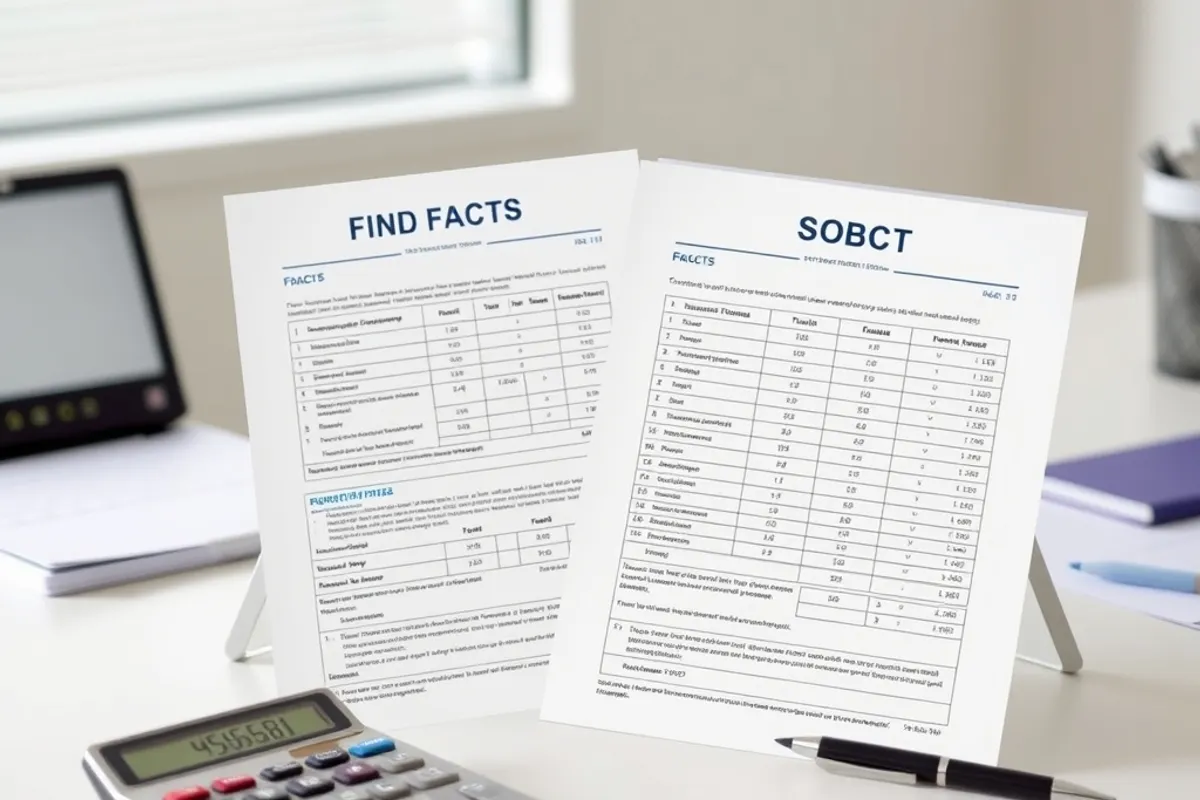
The fastest loan is rarely the cheapest, and the cheapest loan is rarely fast. SBA-backed loans, bank loans and online lenders solve different problems. We compared a $150,000 expansion loan and a $25,000 emergency advance to show which channel fits which situation, and where the hidden trade-offs appear.
SBA-Backed Loans: Cheap Money, More Paperwork
An SBA guarantee lowers the lender risk, which usually means a lower rate and a longer term. That is valuable for a business buying a building, equipment or a company. The trade-off is process: financial statements, business plans, personal guarantees and a waiting period that can run from several weeks to a few months.

SBA loans are not free money and not a grant. The government guarantees a portion of the loan, but you still repay the lender. Fees and closing costs apply, and the borrower must meet size and eligibility rules. If you have time and a clean financial history, the total cost can be the lowest of the three channels.
Traditional Bank Loans: Relationship and Disclosure
A bank loan rewards an existing relationship. If the business has deposited cash at the same bank for years, the lender already understands the cash flow and may move faster on a modest term loan or a line of credit. Rates are usually competitive, and the terms are familiar.
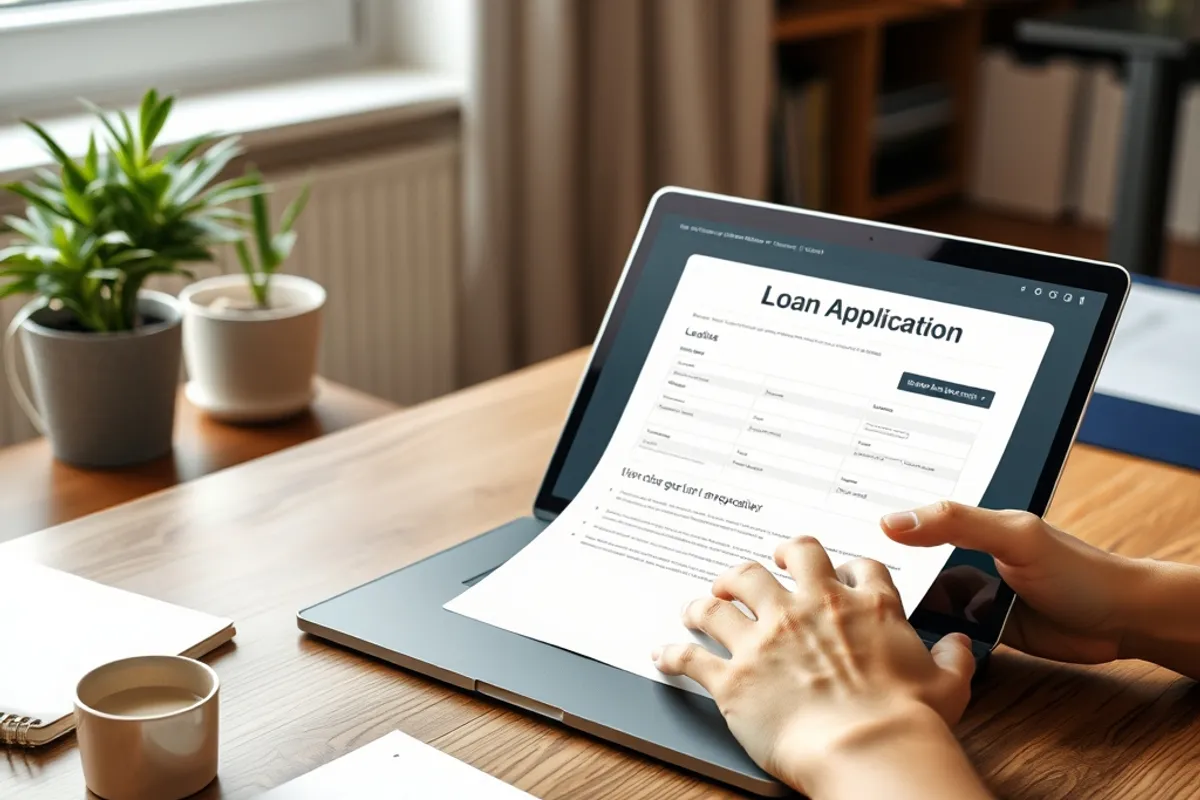
Banks are less flexible when the business is young, seasonal or has a thin credit file. They may require collateral, a personal guarantee and a covenant that restricts additional borrowing. The approval process can take weeks. For a business with stable accounts and a clear use of funds, that discipline is often worth it.
Online Lenders: Speed at a Premium
Online lenders can approve a loan in hours using bank data, card processing and a short application. That speed matters when a supplier needs payment before a shipment or a piece of equipment fails. The cost is usually higher, and the repayment schedule can be daily or weekly rather than monthly.

You are not paying for the money. You are paying for the decision to arrive this week.
Read the fee structure carefully. Some online products quote a factor rate instead of an interest rate, which makes comparison difficult. A 1.3 factor rate over six months is not the same as 30 percent annual interest. Convert it to an APR, check the total repayable amount, and confirm whether the lender takes a percentage of daily sales.
The Emergency $25,000 Test
For a $25,000 emergency, a bank line of credit is ideal if it already exists. If not, an online lender may be the only option fast enough, but the cost can be steep. An SBA loan is usually too slow for an emergency unless the process is already underway. In that case, the best move is often a smaller, short-term advance with a clear exit plan.
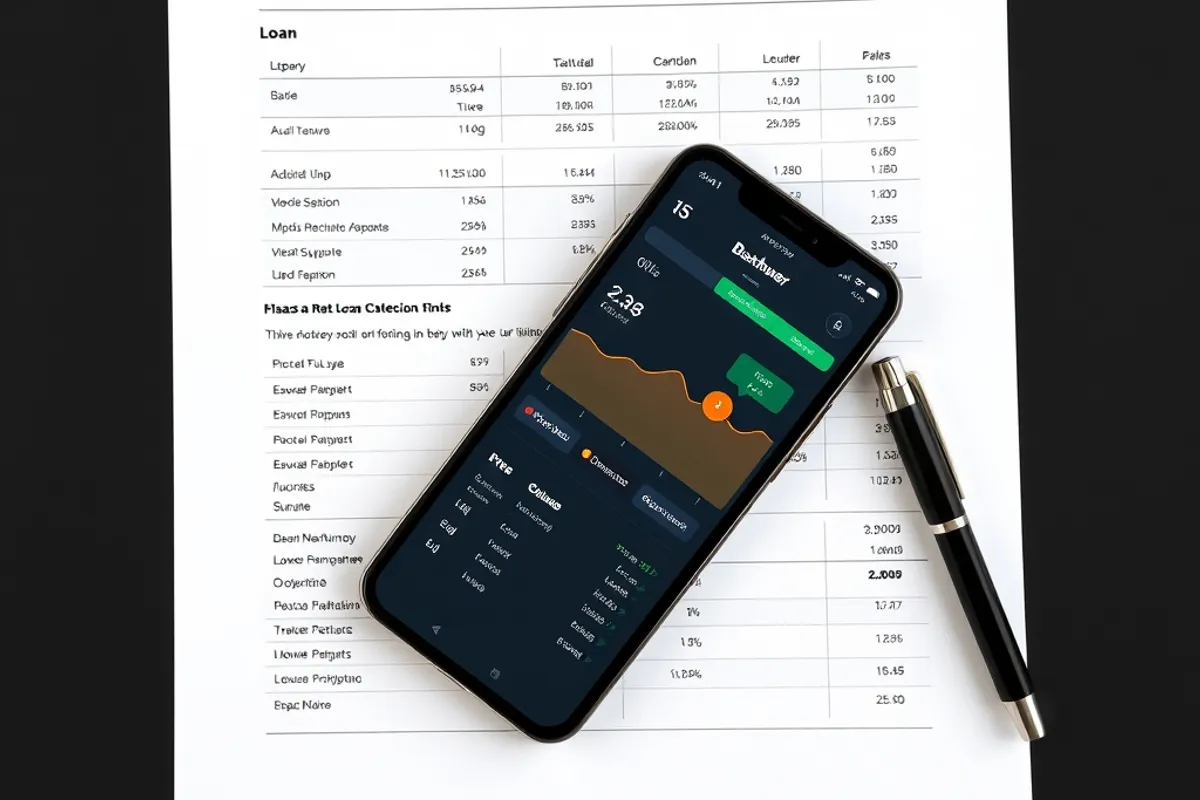
Avoid stacking multiple advances to cover the first one. That pattern turns a temporary cash problem into a permanent debt cycle. Before borrowing, cut discretionary spending, ask suppliers for terms and check whether a customer will pay early at a small discount. Debt should be the last lever, not the first.
Which Channel Fits Which Business
Choose SBA if you are buying an asset, can wait, and want the lowest long-term cost. Choose a bank if you have a relationship, clean statements and a modest, well-defined need. Choose an online lender if speed is worth a premium and the loan is small enough to repay quickly from operating cash flow.
The mistake is choosing a channel before defining the need. Write down the amount, the purpose, the repayment source and the deadline. Then compare offers against that brief. A loan is a tool; the right one depends on the job, not on which advertisement appeared first.
Documents to Prepare for Any Lender
Expect to provide bank statements, tax returns, profit and loss statements, a debt schedule and proof of business registration. Have a one-page summary of the loan purpose and the repayment plan. Lenders price uncertainty, so a complete file is a negotiating tool as much as an administrative task.
Ask for the offer in writing with the APR, total repayable, fees, term, collateral and guarantee terms. Compare at least three offers if time allows. Do not sign on the same day as the first approval, even if the lender pressures you. A day of review is cheaper than a year of repayment.
- SBA-backed loans usually offer lower rates and longer terms but take weeks to months.
- Bank loans reward existing relationships and clean financial statements.
- Online lenders can approve in hours but often charge more and collect daily or weekly.
- A factor rate is not an interest rate; convert every offer to an APR.
- Define the amount, purpose, repayment source and deadline before choosing a channel.